

You will not be allowed to compare more than 4 products at a time
View compare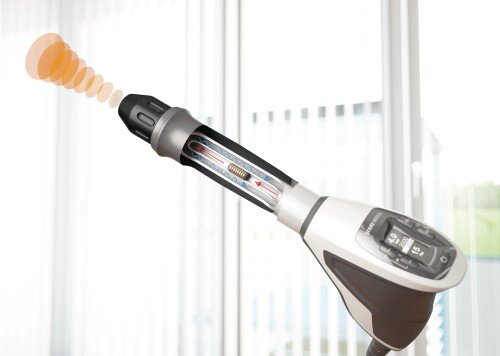
Shockwave Therapy
Shockwave therapy is a multidisciplinary device used in orthopedics, physiotherapy, sports medicine, urology, and veterinary medicine. Its main assets are fast pain relief and mobility restoration. This non-surgical, non-drug option is an ideal therapy to speed up recovery and ease various indications causing acute and chronic pain.
Mechanisms of Action
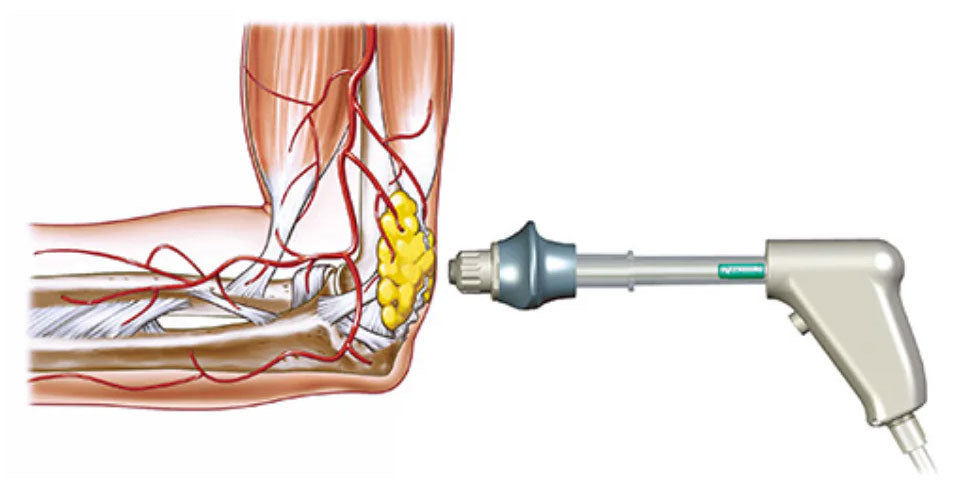
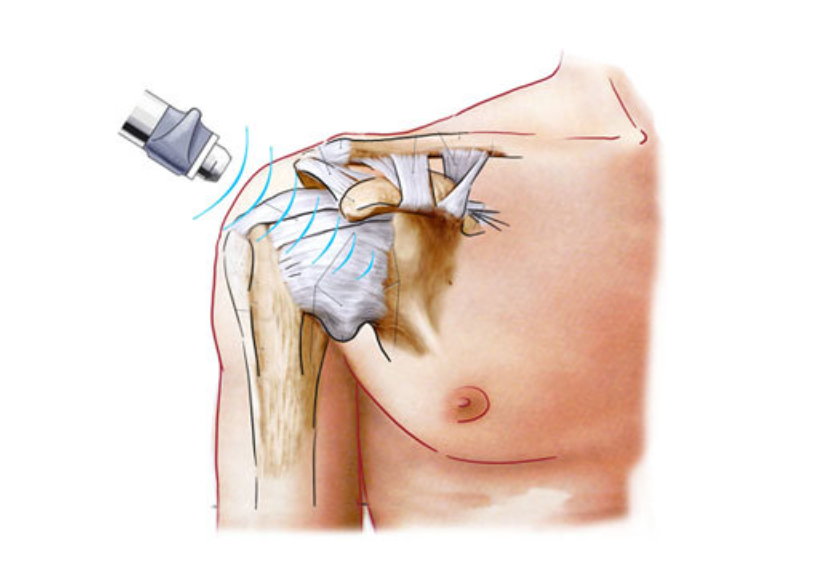
Shockwave is an acoustic wave which carries high energy to painful spots and myoskeletal tissues with subacute, subchronic and chronic conditions. The energy promotes regeneration and reparative processes of the bones, tendons, and other soft tissues.
Shockwaves are characterized by jump change in pressure, high amplitude, and non-periodicity.
The kinetic energy of the projectile, created by compressed air, is transferred to the transmitter at the end of the applicator and further into the tissue.
Medical Effects
New Blood Vessel Formation
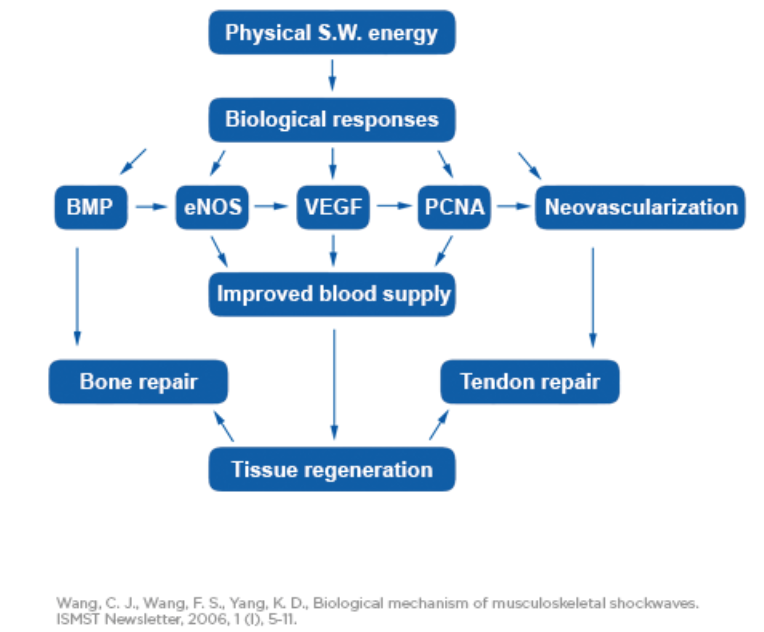
Nutrient blood flow is necessary to start and maintain the repair processes of damaged tissue structure. The application of acoustic waves creates capillary microruptures in tendon and bone. Due to microruptures the expression of growth factors such as eNOS, VEGF, PCNS and BMP is significantly increased.
As a result of these processes, arterioles are remodeled, stimulated to grow, and new ones are formed. The new blood vessels improve blood supply and oxygenation of the treated area and support faster healing of both the tendon and the bone.
Reversal of Chronic Inflammation
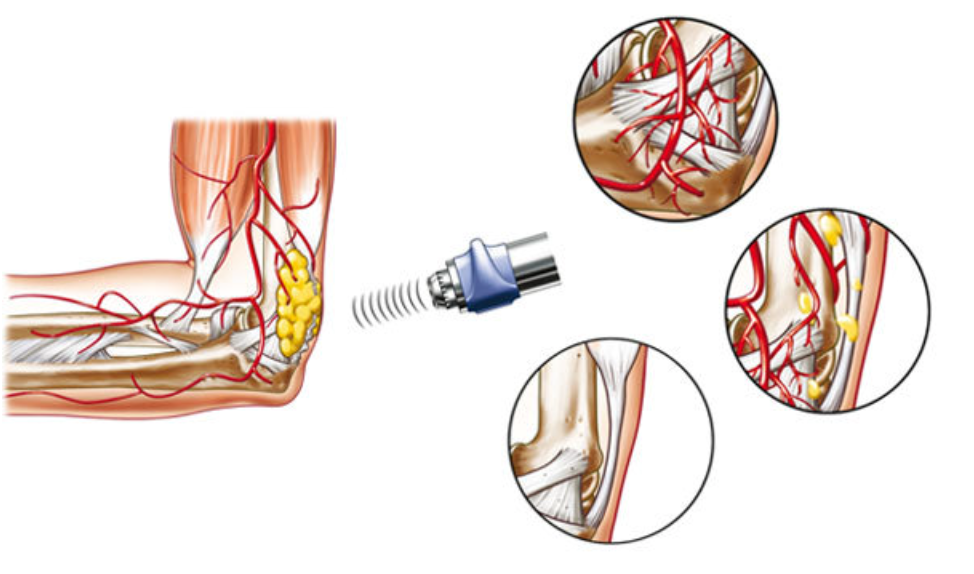
Chronic inflammation occurs when the inflammatory response is not completely halted. It can damage healthy tissue and result in chronic pain. Mast cells are one of the key components of the inflammatory process. Their activity may be increased by using pervasive acoustic waves.
Mast cell activation is followed by the production of chemokines and cytokines. These pro-inflammatory compounds first enhance the inflammatory process and in the next step help restore normal healing and regenerative processes.
Stimulation of Collagen Production
The production of a sufficient amount of collagen is a necessary precondition for the repair processes of the damaged myoskeletal and ligamentous structures. Shockwave therapy accelerates procollagen synthesis. The therapy forces the newly created collagen fibers into a longitudinal structure which makes the newly formed tendon fibers more dense and stiff and creates a firmer structure.
Dissolution of Calcified Fibroblasts
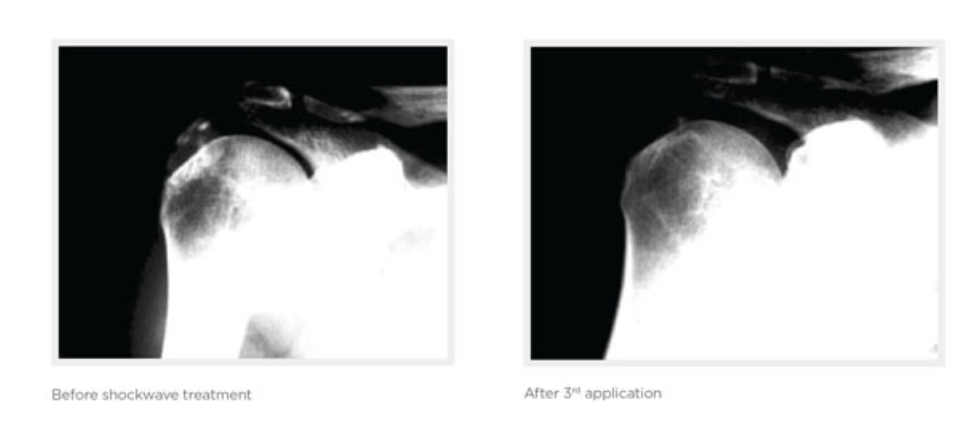
Calcium build-up is most often a result of micro-tears or other trauma to a tendon. Acoustic waves break up the existing calcifications. Shockwave therapy starts the biochemical decalcification of the calcium build-up of a toothpaste-like consistency and treats the tendon. The granular particles of calcium are then removed by the lymphatic system.
Dispersion of Pain Mediator “Substance P”
Substance P is a neurotransmitter that mediates pain information through C-fibers. This neuropeptide is generally associated with intense, persistent and chronic pain. It relays pain messages to the central nervous system. Lowering the concentration of Substance P reduces the stimulation of afferent nociceptive fibers and thus reduces the pain. Decreasing Substance P, histamines and other nociceptive metabolites also helps inhibit development of inflammatory oedema. Acoustic waves generated by Shockwave therapy lower the Substance P concentration and trigger pain relief.
Release of Trigger Points
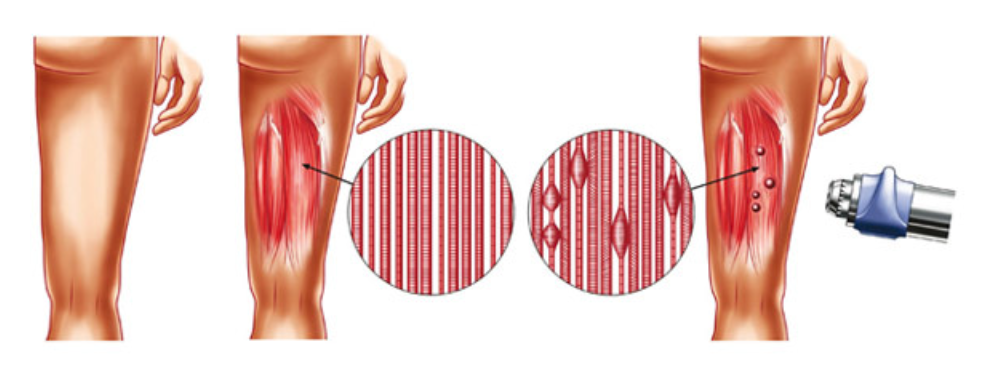
Trigger points are the principal cause of pain in the back, neck, shoulder, and limbs. They are associated with palpable nodules in taut bands of muscle fibers and have extremely contracted sarcomeres. The dysfunctional sarcomeres contract so tightly that they begin to cut off their own blood supply. This causes the waste products to build up. Waste product build-up irritates the sensory nerve endings which then causes even more contraction. This vicious cycle is referred to as “metabolic crisis”. The assumed mechanism of action is that the delivered acoustic energy unblocks the calcium pump and thus reverses the metabolic crisis in the myofilaments and releases the trigger points.
Conditions Addressed

Jumpers Knee
Jumper’s knee is an inflammation or injury of the patellar tendon felt as pain, tenderness, and functional deficit. This condition may interfere with or even end your patient’s sporting career regardless the age and is difficult to treat. Shockwave therapy offers a simple and immediate solution. Patients tend to feel relief right after the first session and in several sessions, the cause and the pain vanish.

Painful Shoulder
Shoulder pain can be caused by conditions such as calcifications, impingement syndrome, or frozen shoulder. These issues often lead to dull to severe pain and can limit everyday activities. With shockwave therapy for calcific tendonitis of the shoulder, calcifications disappear completely in more than 85% of cases. Many patients experience a significant reduction in pain and improved shoulder function within four weeks. While surgery or injections are often recommended for these conditions, shockwave therapy offers a non-surgical alternative in many cases.

Tennis Elbow
Tennis elbow is a frequent condition occurring in up to 10% of the general population. Unfortunately the conservative treatment of epicondylitis is lengthy (rest), includes medication (pain killers, steroid injections) and often needs repetition. Shockwave therapy on the other hand has shown to offer prompt pain relief with an efficiency of over 70% in just a maximum of 5 treatments.

Heel Spur
Calcium deposits on the underside of the heel bone (heel spur) are closely associated with scarring or inflammation of the plantar fascia (plantar fasciitis). Either condition, alone or combined, can limit daily activities and cause persistent heel pain. Shockwave therapy addresses both issues simultaneously. The acoustic waves stimulate the body’s healing response, helping support faster recovery, a return to normal activities, and long-lasting relief for up to 88% of patients.

Insertional Pain
Pain in the muscle insertions typically occurs due to repetitive or prolonged activities placing strain on a particular tendon. Through the process of neovascularization, Shockwave therapy encourages more blood flow to the area and hence faster healing without the need for addictive pain medication.

Chronic Tendinopathy
Repeated overloading and accumulated microtraumas can lead to chronic tendinopathy (tendinitis or tendinosis). Tendon issues in various areas of the body are common among both active individuals and the general population. Shockwave therapy helps reduce inflammation and supports healing of damaged tendon tissue at the cellular level. Most people complete a series of 3–5 sessions spaced about 5–10 days apart.

Medial Tibial Stress Syndrome
Medial tibial stress syndrome typically develops from activities that place significant stress on the tibialis anterior muscle. These activities may include fast walking or running (especially uphill, downhill, or on hard or uneven surfaces), as well as sports that involve kicking. As a result, patients are often forced to limit these activities for extended periods. With shockwave therapy, the period of reduced activity is often much shorter, and overall recovery time can be reduced by at least half.

Calcifications
Calcifying tendinitis is a chronic, painful condition characterized by calcium deposits within the rotator cuff tendons. This can lead to significant pain and limited range of motion. Shockwave therapy is widely used to address these calcifications. The acoustic waves help break down the calcium deposits and support the body’s natural resorption and elimination processes. Shockwave therapy can shorten recovery time and provide faster relief, even in long-standing cases.

Shockwave Therapy Can Also Help
• Carpal Tunnel
• Bone Spurs
• Neuropathy
• Neck Pain
• Elbow Pain
• Shoulder Pain
• Knee Pain
• Foot and Ankle Pain
• Scar Tissue
• Stress Fractures
• Sports Injuries
• … and more!
Therapy Sequence
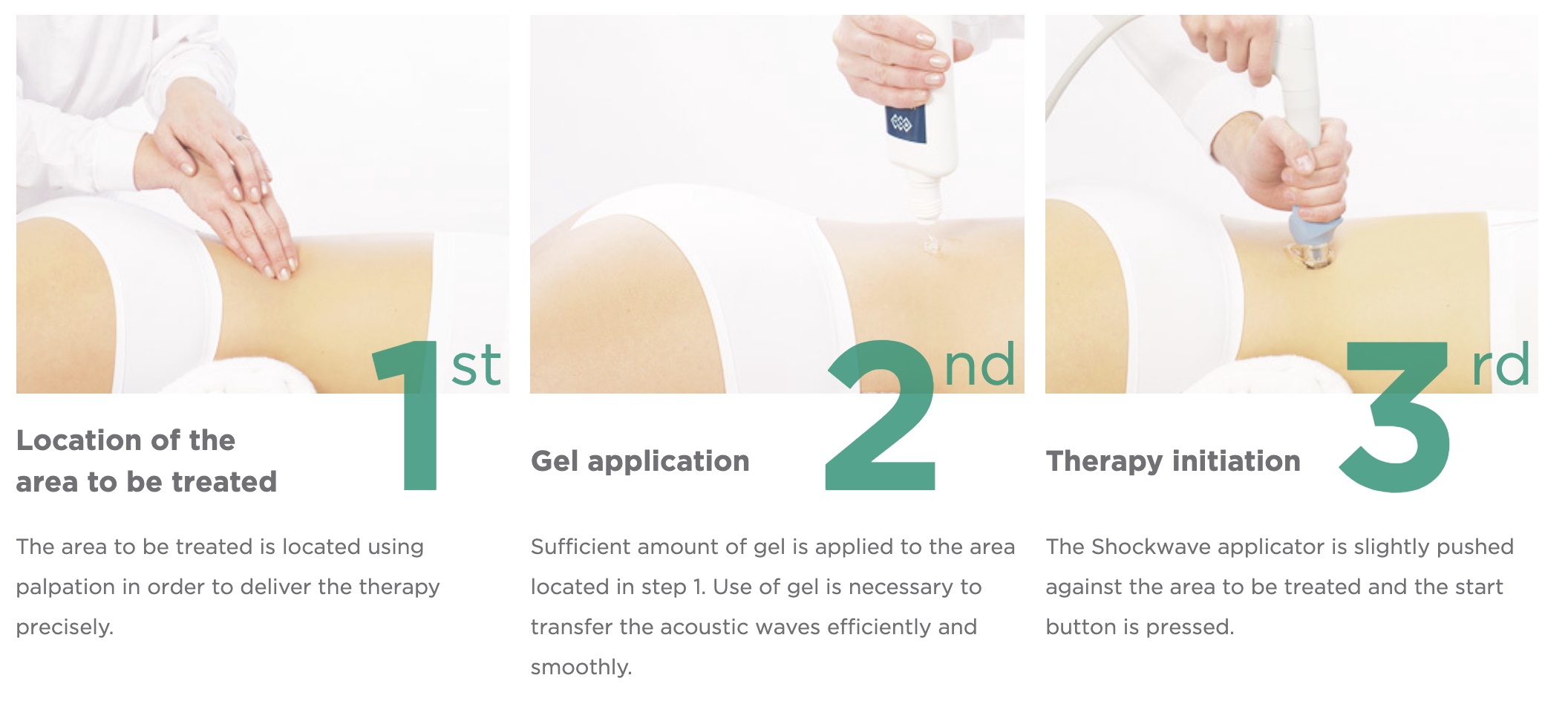
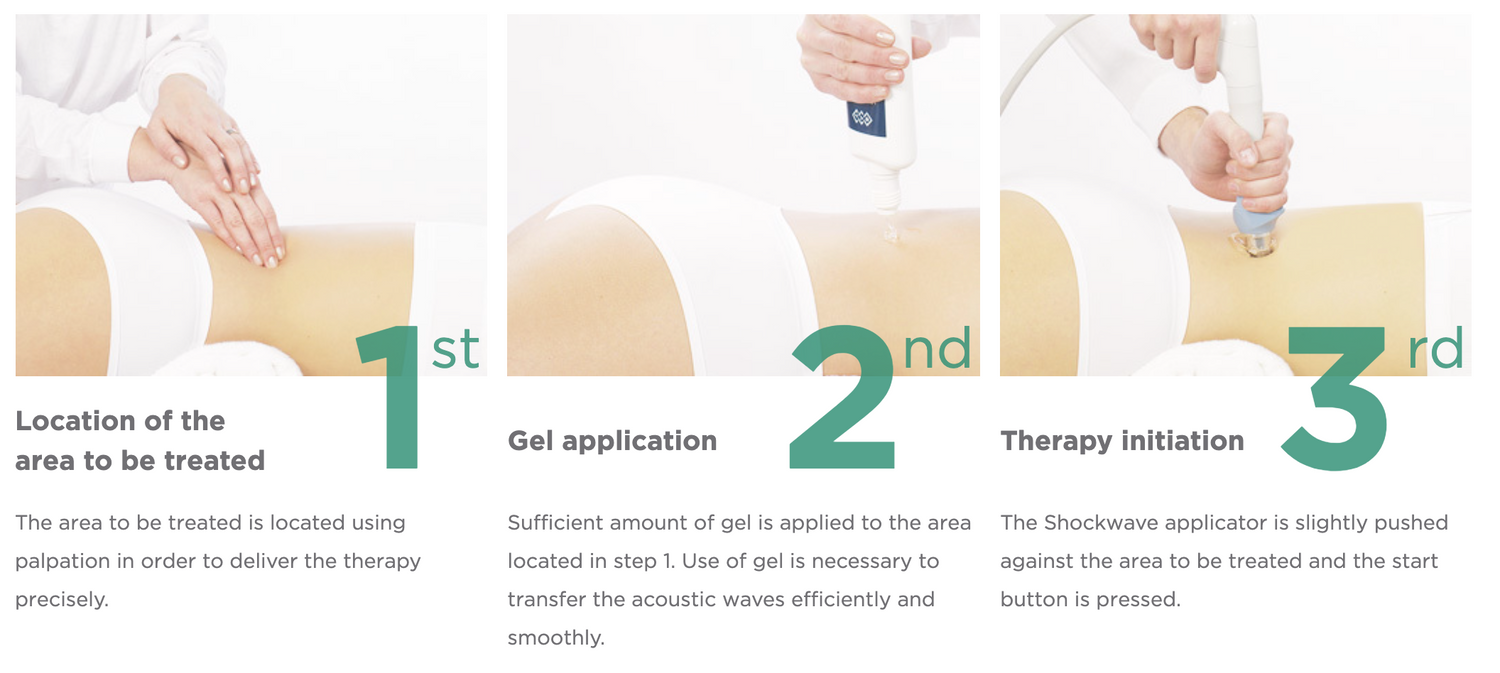
Shockwave therapy is non-invasive. The application is simple and easy. Initiate therapy in 3 steps:
1st: Location of the Area to be Treated
The area to be treated is located using palpation in order to deliver the therapy precisely.
2nd: Gel Application
Sufficient amount of gel is applied to the area located in step 1. Use of gel is necessary to transfer the acoustic waves efficiently and smoothly.
3rd: Therapy Initiation
The Shockwave applicator is slightly pushed against the area to be treated and the start button is pressed.
Frequently Asked Questions
Will Shockwave therapy help me?
Most patients with chronic pain problems have been through various unsuccessful types of treatments. Up to 80% of the same patients worldwide report that Shockwave therapy has helped them eliminate their problem.
Does shockwave hurt?
There may be a slight feeling of discomfort during the session, depending on the level of pain the patient is already experiencing in the area. However, since the session lasts only about five minutes, most patients are able to tolerate this discomfort. Additionally, the intensity of the session can be adjusted.
How many sessions will I need?
The number of sessions varies depending on the indication and tissue response. The effect of the session is cumulative, so you will typically need more than one (3–5). Very often though, you will experience relief right after the first session.
How often will I need shockwave?
Most indications require 3–5 sessions which are done 3–10 days apart, depending on the patient’s tolerance and their tissue response.
Will I have any pain after shockwave therapy?
Most patients will experience immediate pain relief following the session. However, within 2–4 hours after the session, they may experience some soreness in the targeted area. This soreness has been reported as tolerable and not limiting.
Are there any restrictions after a shockwave therapy session?
It is recommended that patients refrain from physical activity, especially one that would involve the targeted region, for about 48 hours following each session.