

You will not be allowed to compare more than 4 products at a time
View compare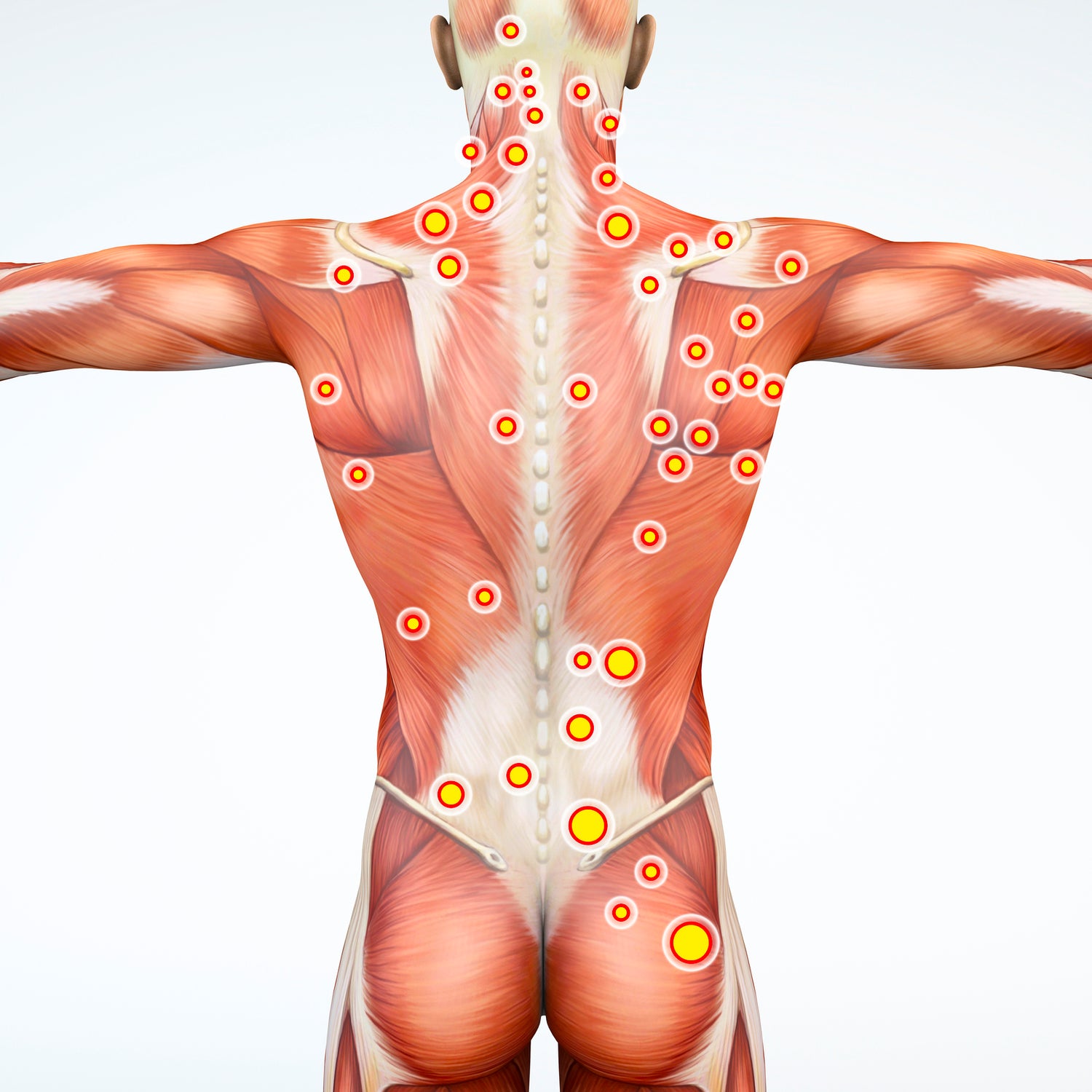
Targeted Relief for Muscle Pain and Referred Pain
Trigger Point Therapy
Persistent muscle pain is often caused by more than tight muscles alone. In many cases, the real source is trigger points - tight, dysfunctional knots within muscle tissue that don’t heal on their own. At our clinic, we offer trigger point therapy using customized injections to help calm irritated muscles, restore function, and break the cycle of chronic pain.
Each appointment begins with a comprehensive evaluation by our Nurse Practitioner to ensure trigger point therapy is appropriate and tailored to your unique needs.
What are Trigger Points?
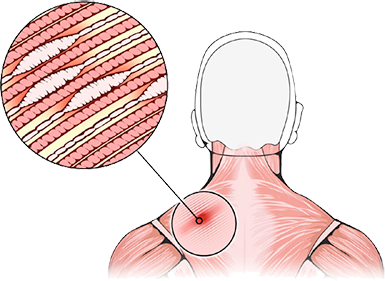
Trigger points are small, tight areas of muscle fibers that remain contracted instead of fully relaxing. These dysfunctional muscle knots restrict blood flow, irritate nearby nerves, and interfere with normal movement patterns. Over time, trigger points can lead to ongoing muscle pain, stiffness, weakness, and reduced range of motion. They commonly develop due to injury, repetitive movements, poor posture, chronic stress, or underlying inflammation, and they often do not resolve on their own without intervention.
Understanding Referred Pain
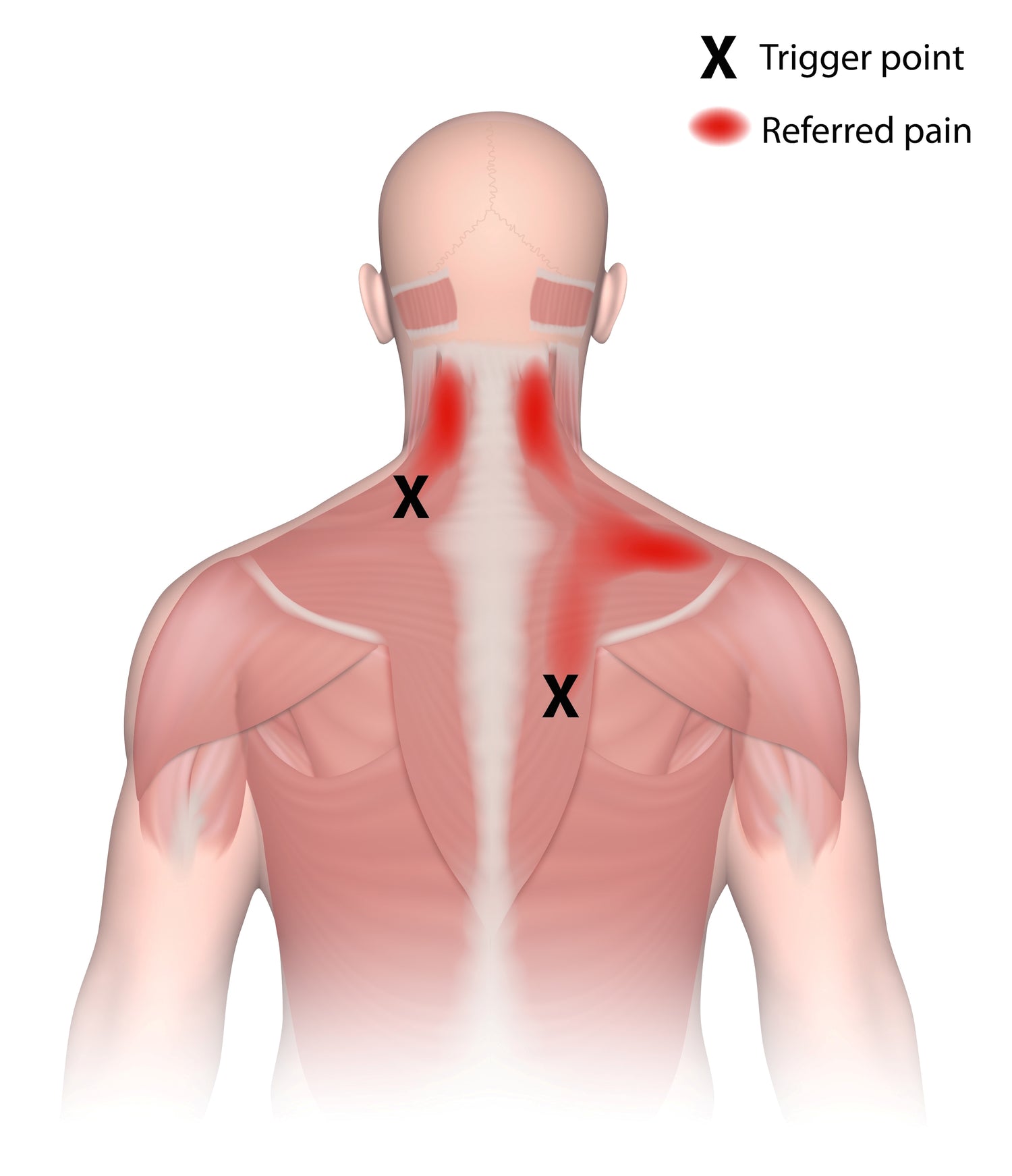
One of the most frustrating aspects of trigger points is referred pain. This occurs when a trigger point in one muscle causes pain to be felt somewhere else in the body.
For example:
- Trigger points in the neck or shoulders may cause headaches or arm pain
- Hip or low back trigger points may create pain down the leg
- Jaw or upper neck trigger points may contribute to facial pain or tension
This is why pain doesn’t always show up where the real problem is—and why generalized treatments often fail to bring lasting relief.

Who Could benefit from Trigger Point Therapy
Trigger point therapy may be recommended if you experience:
- Chronic muscle pain or tightness that doesn’t improve with rest or stretching
- Pain that radiates or travels to other areas of the body
- Limited mobility or stiffness
- Headaches, neck pain, shoulder pain, low back pain, or hip pain
- Muscle pain related to posture, repetitive strain, sports, or injury
After your exam, our Nurse Practitioner will determine if trigger points are contributing to your symptoms and whether injections are the most effective option.
Our Customized Approach for Trigger Points
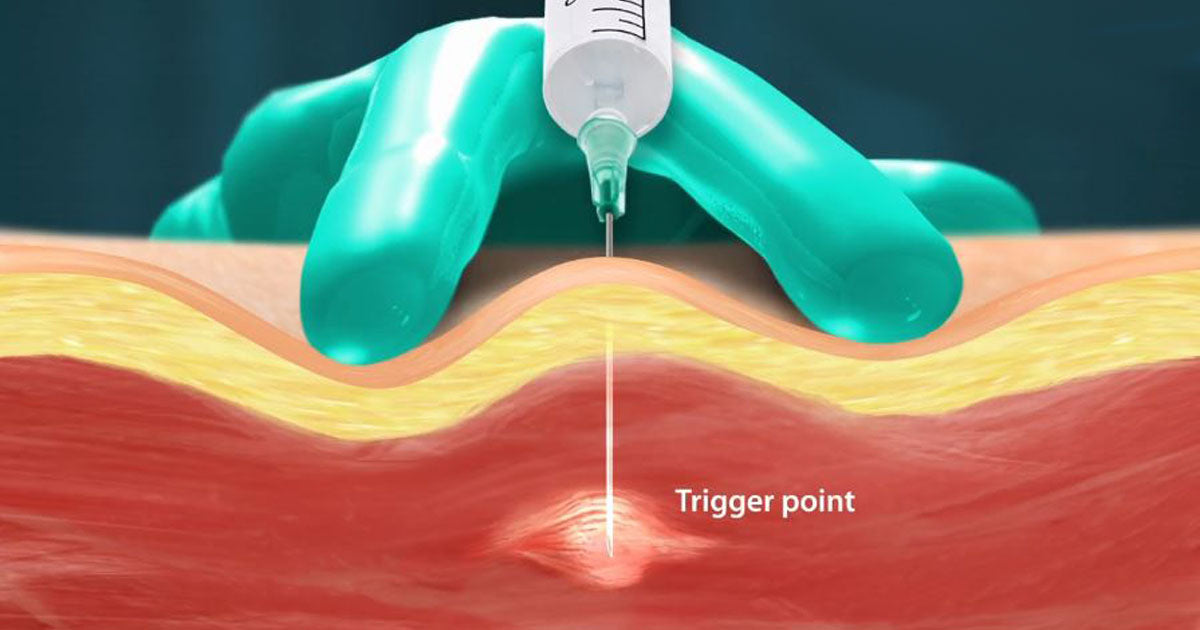
Following a detailed medical history and physical exam, your Nurse Practitioner will identify the specific trigger point locations and create a customized injection solution based on your condition and goals. The procedure is performed at the clinic, typically takes only a few minutes, and is designed to be as comfortable as possible. The goal of the injection is to help the muscle relax, improve circulation, reduce irritation, and restore normal muscle function.
After treatment, some patients notice relief right away, while others experience gradual improvement over the next several days as the muscle begins to heal and reset. It is normal to feel mild soreness or tenderness in the treated area for 24 to 48 hours, similar to the feeling after a workout. Trigger point injections are often combined with chiropractic care, corrective exercises, and functional medicine support to enhance results and reduce the likelihood of trigger points returning. This comprehensive approach helps promote long-term pain relief and improved mobility.

Treating the Root Cause of Muscle Pain
Trigger point therapy is not about masking symptoms, it’s about addressing a common and often overlooked source of chronic pain. By targeting dysfunctional muscle tissue and combining it with whole-body functional medicine care, we help patients move better, feel better, and get back to the activities they enjoy.